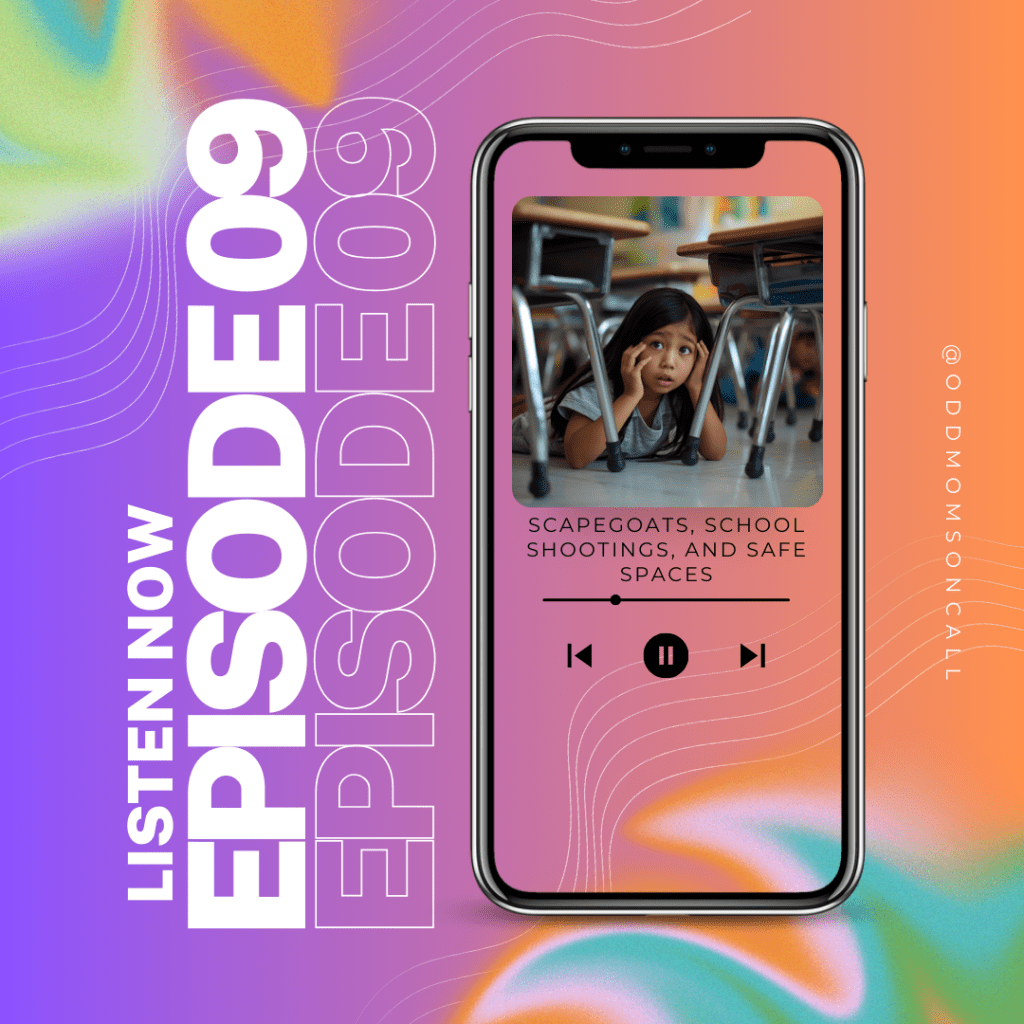
Parenting in the Age of Violence and Erasure
Every parent wishes they could shield their children from the scariest headlines. But in today’s world—where mass shootings dominate the news, rainbow crosswalks are painted over, and politicians scapegoat trans communities—shielding isn’t enough. Parents have to talk, teach, and guide their kids through realities we wish they never had to face.
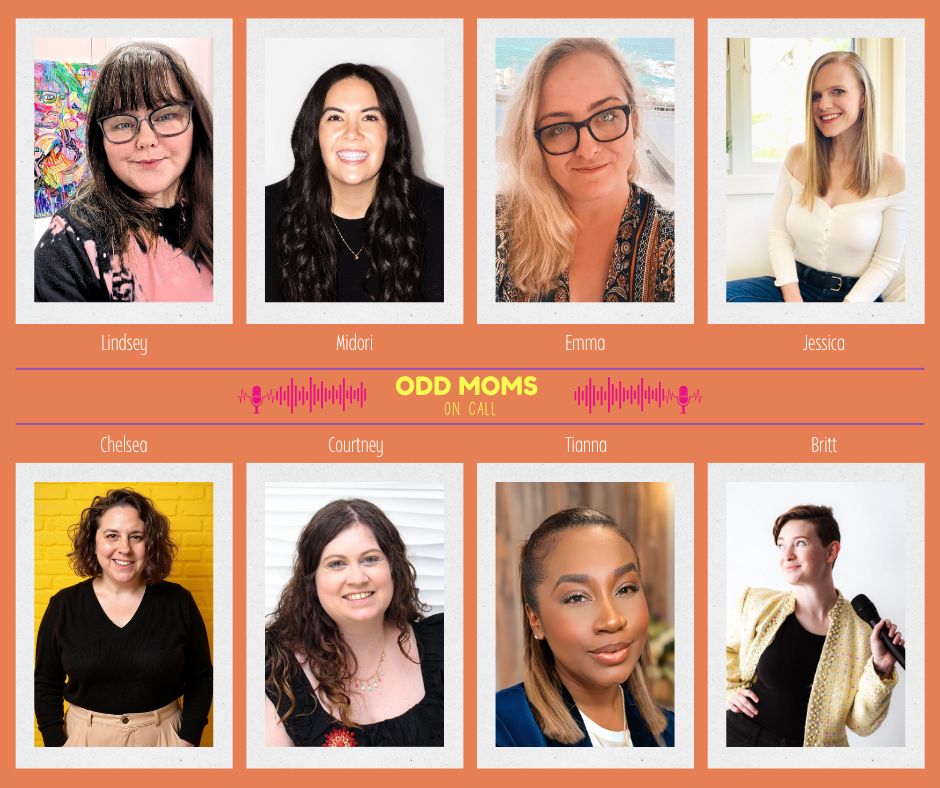
That’s exactly what we tackled in episode nine of Odd Moms On Call, with hosts Britt, Kara, and Dr. Jess Rabon. Together, we unpacked the fear, misinformation, and resilience parents are navigating in 2025.
The Dangerous Power of Scapegoating
In the aftermath of the recent Minneapolis mass shooting, right-wing media outlets wasted no time turning the tragedy into an identity story. Instead of focusing on guns, they zeroed in on the shooter’s trans identity—ignoring the actual statistics.

The truth? Research shows that 98% of mass shooters are men, and just a handful out of thousands have ever been trans. Trans individuals are far more likely to face violence than to commit it. When politicians and media twist the narrative, it not only distracts from real solutions like gun reform—it actively fuels stigma and puts LGBTQ+ youth in greater danger.
Mental Health Isn’t the Enemy
Another common scapegoat? Mental illness. Yet studies from the Columbia Mass Murder Database found that only about 3–5% of violent acts are committed by people with serious mental illness. And while antidepressants (SSRIs) are often demonized in the wake of tragedies, there’s no evidence they cause mass shootings. In fact, many shooters had no access to care at all.

By blaming mental health instead of addressing systemic issues, politicians not only stigmatize those who are struggling—they also justify cuts to the very services that could prevent violence.
Talking to Kids Without Breaking Them
So how do we talk to our kids about these issues without overwhelming them? Kara and Jess both emphasize starting small and age-appropriate.
- Preschoolers: Keep it simple. Answer their questions honestly, but focus on safety, kindness, and empathy.
- School-aged kids: Talk openly about bullying, inclusivity, and how to speak up if they or their peers feel unsafe.
- Tweens and teens: Bring in statistics and critical thinking. Help them navigate misinformation and media narratives.
As Britt shared, sometimes it comes down to foundational truths: “At the end of the day, we’re all humans. What makes us different is what makes the world better.”
Building Empathy and Connection
The panel agreed—what really matters is connection. Kids need safe spaces where they can talk, question, and be affirmed for who they are. Parents can’t control every law, policy, or playground comment, but they can control how their kids feel at home.
And connection isn’t just for kids. Parents also need grounding and community to stay resilient in times like these. As Jess put it: “Connectiveness is power. Without it, we retreat into isolation—and that’s when things get dangerous.”
Final Thoughts
Parenting in 2025 means raising kids in a world that often feels unsafe and hostile. But it also means modeling empathy, refusing to accept scapegoating, and showing up with love. We may not be able to choose the world our kids inherit, but we can choose how we show up in it—and that choice matters.

For resources on talking to kids about scary news, supporting LGBTQ+ youth, or taking political action, check out the show notes from this episode.






 Odd Moms On Call