
Reproductive Rights Aren’t Just About Abortion
Since the fall of Roe v. Wade, reproductive rights in America have shifted drastically. But for many families, it’s not just about abortion, it’s about how systemic control over bodies affects every decision, from conception to parenting.
In a recent episode of Odd Moms On Call, the panel confront the emotional, political, and deeply personal toll of these laws.
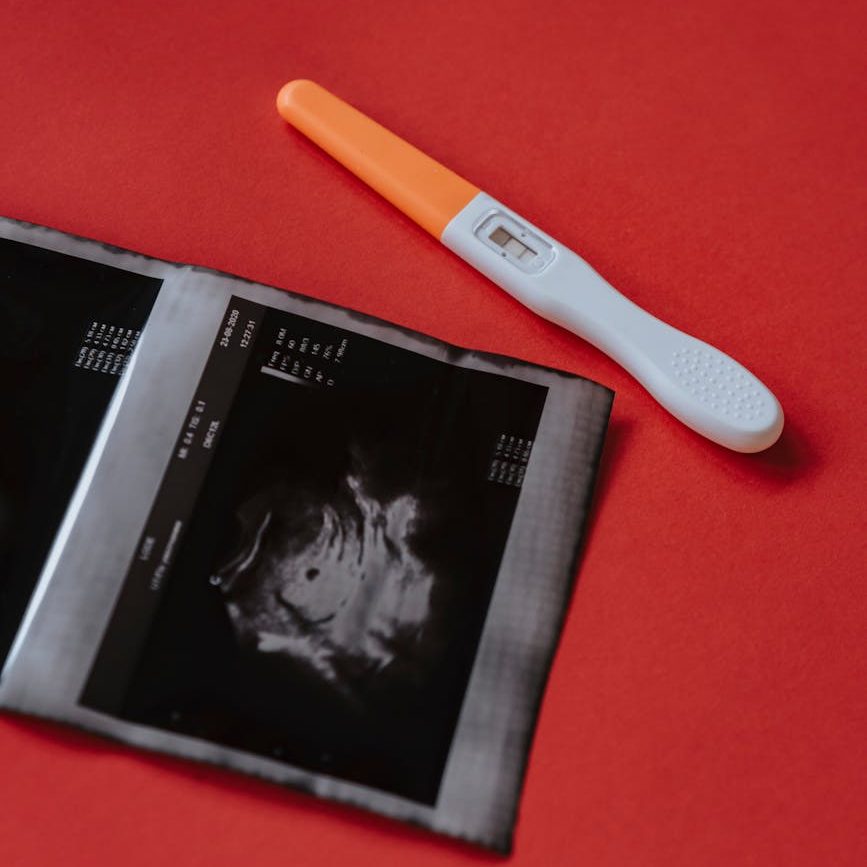
Real Stories, Real Impact
The conversation opens with the tragic story of Adriana Smith, a Black mother in Georgia who was declared brain dead and kept alive to deliver a baby. “She was used as an incubator,” says Tianna, a NICU nurse and panelist, who shared how similar cases triggered her own PTSD.
The episode reminds us that the U.S. maternal mortality crisis, especially for Black women, isn’t new. It’s just being thrust into the spotlight.
Beyond the Headlines
These laws aren’t theoretical. They’re changing lives. Kara Kushnir, LCSW, PMH-C, shares,
“I work with women afraid to pursue IVF because they’re unsure what will happen to their embryos. Others are terrified they’ll be criminalized for miscarriages.”
Courtney adds, “I’m getting my tubes removed. Not just because I’m done having kids, but because I’m scared.”
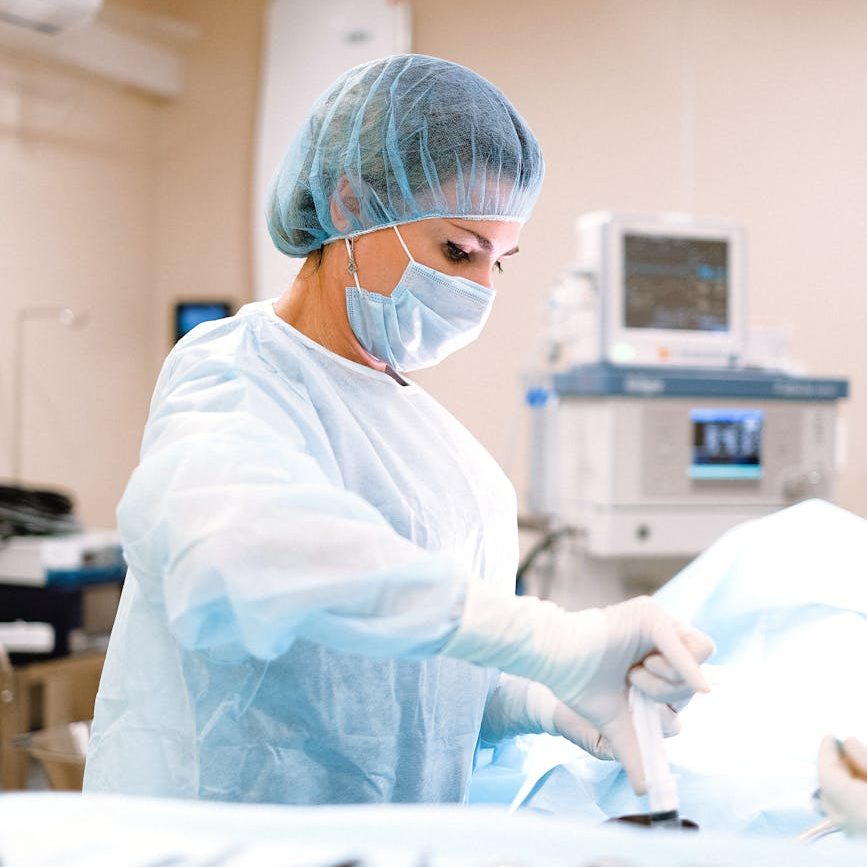
The Mental Health Toll
Beyond medical implications, the mental health fallout is profound. “We’re navigating vicarious trauma,” Kara explains. “Clients who are anxious now have legitimate fears rooted in policy.”
Chelsea reflects on this added burden: “It goes way beyond medical. It’s emotional, political, and deeply personal. You wake up in a war zone just for existing.”
Raising Kids with Autonomy
But amidst the grief and anger, there’s hope. The panel discusses how they’re raising kids to respect consent and bodily autonomy. From using anatomically correct terms with toddlers to modeling healthy boundaries, it’s about more than sex ed. It’s abuse prevention, empowerment, and long-term change.
“My daughter told her daycare friend, ‘I don’t want a hug right now, but I’ll give you a fist bump.’ That’s what hope looks like.” —Courtney
Resources to Learn More
Closing Thought
Reproductive freedom doesn’t start or end with a single issue. It’s the foundation for how we care for ourselves, our children, and each other. As Chelsea says:
“There’s room at the table for different opinions. But right now, the table is being taken away from us.”
 Odd Moms On Call
Leave a comment